

Fowlpox in Chickens
Fowl Pox or poultry pox is a disease in poultry caused by the Avipox virus. Fowl Pox can infect epithelial tissue by nodular lesions appearing on unfeathered skin in the cutaneous form and by appearing in the mucous membranes of the mouth, esophagus, pharynx, larynx, and trachea for the diphtheritic form. Common symptoms include slow growth in young birds, decreased egg production, difficulty breathing, and loss of appetite.
Cutaneous infection is indicated by the appearance of skin that resembles nodules on the legs, beards, wattles, and eyelids. In comparison, diphtheritic infection is indicated by diphtheritic lesions, a yellowish color that appears on the mucous membranes of the mouth, esophagus, and trachea, and respiratory disorders.
Fowl pox can be transmitted through injured skin, feathers, and dry scrub. Mosquitoes, ticks, and flies can also be vectors of this disease.
Prevention of this virus can be done by vaccination at 4-7 weeks old chicks, and revaccination at 8-12 weeks old with Vaksimune POX. Application of the vaccine to poultry is carried out through the wing web and should only be done on flocks that are healthy and in good condition.
You may also like

Courtesy Visit of Nihon Layer K.K Delegation to JA...
JAPFA and Vaksindo were honored to welcome a two-d...

Friday Bio Boost: Strengthening Scientific Culture...
At Vaksindo, continuous learning is not just a pro...

10 Years AHLE: A Decade Strong, A New Chapter Forw...
Commemorating 10 years of AHLE (Animal Health and...
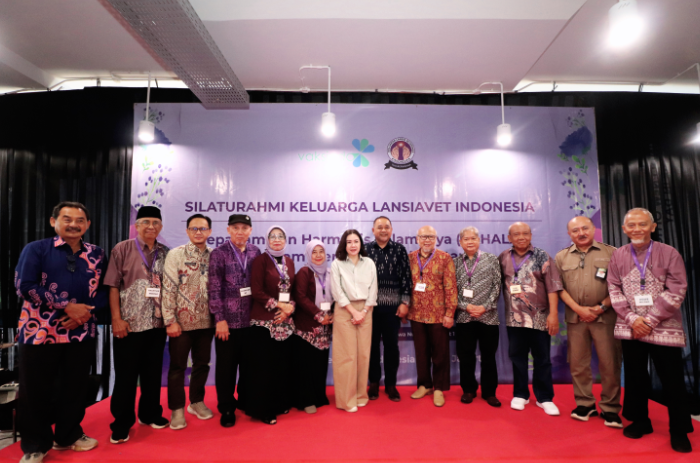
Vaksindo Facilitates LansiaVet in Appreciation of...
Vaksindo firmly believes that the journey of a com...

Vaksindo Enters a New Chapter with the Relocation...
Bogor, January 12, 2026 – Every phase of a company...

Vaksindo at VIV MEA 2025: A Memorable Week of Inno...
Vaksindo was proud to take part in VIV MEA 2025, h...